
TL;DR: You may not be able to eliminate cart abandonment entirely, but you can make those instances rare. Simplifying checkout, offering guest checkout, being transparent with pricing, building trust, and providing the right payment methods can significantly boost conversion rates. Payment orchestration platforms make it easier to scale and optimize globally.

It is a shocking statistic, but according to a study by the Baymard Institute, the average ecommerce shopping cart abandonment rate in 2025 was 70.22%. So, what can merchants do to reduce that worryingly high number?
First, we have to remember that there will always be shop cart abandonment. Because let’s face it, the human race is pretty fickle. But if we could reduce that rate by even a small percentage point, merchants would see a meaningful increase in turnover and profit margins. According to the same Baymard study, better checkout design can increase conversion rates by a whopping 35.26%.
What is cart abandonment?
Cart abandonment is when a shopper adds items to their cart, starts the checkout process, but leaves the site before completing the purchase.
It typically happens at points of friction, such as surprise fees, not finding a preferred payment option, or a checkout that feels too long or confusing. Each instance represents lost revenue from a customer who was close to converting. What constitutes a good checkout experience?
Why shoppers abandon their cart
Merchants and online businesses spend time developing their user experience, making sure that they keep their potential consumers engaged and online, but sometimes the checkout process is overlooked. As payment experts, we know what works and have compiled some of the main reasons your customers abandon their shopping carts and don’t complete a purchase:
Forced account creation: There is nothing worse than being forced to create an account and supply your reams of information when all you want to do is buy a new pair of sunglasses. We are not saying don’t create profiles, but allow guest checkout for those who prefer to keep their star sign to themselves.
Hidden charges: Additional costs (taxes, shipping, etc.) added at the time of payment give consumers a chance to second-guess themselves and throw in the towel. Make sure your pricing is clear.
Complex and confusing process: Simplicity is the name of the game for online payments. Provide a quick and seamless checkout experience and reduce the likelihood that your customers will get bored and buy elsewhere.
Lack of trust or branding: Make sure your payment page is in your brand. Sending users to complete their payment in a new tab with no company branding risks them thinking it is fraudulent. Which brings us nicely to…
Security concerns: A customer needs reassurance when they are entering billing, shipping, and personal information. Provide it to them by displaying security badges when possible, and offer a secure experience when using your shop. Customers are also more likely to feel secure if you provide them with a payment method they are comfortable with.
An optimal checkout process
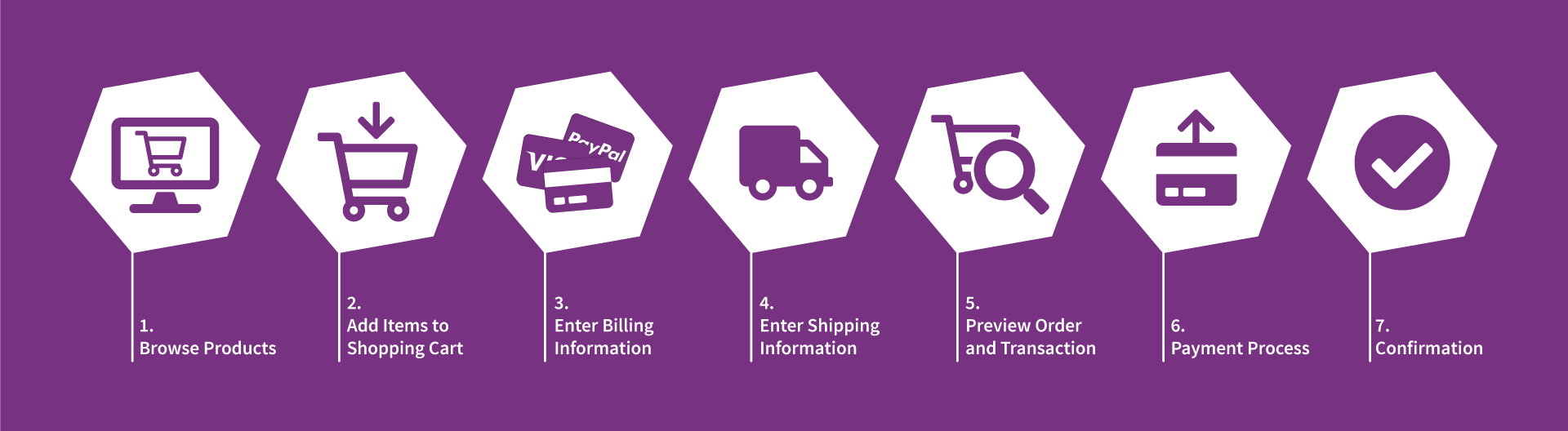
What an optimal checkout actually looks like
A high-performing checkout removes friction at every step so customers can complete payment quickly, without second-guessing or drop-offs.
Offer the payment methods your customers actually use in their region. Connect to multiple providers so you can support local options and improve approval rates.
Route each transaction dynamically to the best-performing provider based on location, risk, and past success rates to reduce declines.
Build failover into your checkout so if one payment attempt fails, it retries or switches providers automatically, instead of losing the customer.
Keep the flow fast and simple with tokenized card data so returning customers can pay in a few clicks without re-entering details.
Monitor checkout performance in real time and act on failures quickly using dashboards that show declines, drop-offs, and provider issues. Offer the right payment methods for your consumer.
Offer the right payment methods for your consumers
First things first, a payment method is simply the way in which the customer pays for their purchases. More about this can be found in our payment method article here. As transactions become more digitized, it is best practice for merchants to provide a relevant mix of online payment options, such as card payments, domestic payments, alternative payment methods, and so on, to encourage customers to make a purchase and increase sales. If you offer the right payment methods for your consumers, they are more likely to complete a purchase. According to a PayPal and BigCommerce report, 70% of shoppers would prefer shopping at a merchant that provides their preferred payment method.
How can merchants easily provide multiple payment options?
An efficient way to provide your customers with multiple payment options is by using a payment orchestration platform. A payment orchestration or payment management platform provides merchants access to a variety of payment methods via connectors. These adapters/connections are all managed from one simple integration. Of course, a merchant does not need to use a payment orchestration platform. They can build integrations directly with payment service providers/acquirers. However, this option may not be compatible with expansion and does not allow for much flexibility or independence on the merchant’s side; find out more about the issues merchants can face here. As a company grows and adds more products or expands into new markets, it needs to provide different checkout experiences that match its products and/or markets. A payments provider that allows merchants flexibility over what payment options to use and develop on top of it will have an advantage.
Now that you have a few ideas of how to lower your abandonment rates, why not hop on a call with our sales team, who will be able to tell you more about payment orchestration and how it can not only help you convert more transactions but also future-proof your payment stack by providing a flexible payments infrastructure that grows with your business. Get the most out of your online business with IXOPAY.
Reduce abandonment with smarter payment orchestration
IXOPAY helps you remove the exact friction points that cause drop-offs. You can route a failed card payment to another acquirer in real time, automatically offer region-specific methods, and retry transactions without losing the customer. For example, if a payment is declined due to issuer limits, your checkout can instantly switch to a BNPL option or alternate provider. That means fewer failed checkouts, higher approvals, and more completed purchases.
Want to know more? Request a demo now!
Cart Abandonment FAQs Every Merchant Should Know
What is a good cart abandonment rate?
There is no perfect benchmark, but most ecommerce sites see abandonment rates between 60% and 75%. According to Baymard Institute, the average has consistently hovered around 70%. If you’re below that range, your checkout is performing relatively well. If you’re above it, there are likely friction points you can fix to recover revenue.
Why do customers abandon carts at checkout?
The biggest drivers are friction and uncertainty. Unexpected costs are the top reason, followed by forced account creation, long or confusing checkout flows, and lack of trust signals. Payment issues also play a major role. If a preferred payment method is missing or a transaction fails without a fallback, many customers will not try again.
How can I reduce cart abandonment quickly?
Focus on high-impact fixes first. Enable guest checkout, show full pricing upfront, and remove unnecessary form fields. Add the most relevant payment methods for your customers and ensure your checkout loads quickly on mobile. Even small improvements in these areas can lift conversion rates within weeks.
Do payment methods affect conversion rates?
Yes, payment methods affect conversion rates directly. According to Network Merchants LLC, 81% of consumers say having their preferred payment option influences their decision to complete a purchase. Offering local and alternative payment methods increases both approval rates and customer confidence at the final step.
What is checkout optimization?
Checkout optimization is the process of improving your payment flow to reduce friction and increase completed purchases. This includes simplifying the user experience, improving payment success rates, offering relevant payment options, and monitoring performance in real time so you can quickly fix issues that cause shopping cart abandonment.